

As mayor, there are a number of things I want to lead conversations on.
Some of these are going to be whole-community conversations, and include our neighbours and friends at the shíshálh Nation and the SCRD, as well as other community non-profits and businesses.
A Sechelt Inlet harbour authority, to finally get a handle on derelict boats and provide a framework to manage those who live on the water.
Greater customer service in the planning department, through the advancement of self-serve tools, standardized service times, and slimmed down regulations, where appropriate.
Improve connectivity between our neighbourhoods through a commitment to a minimum level of bike lane or sidewalk construction, every year.
Increased engagement with our residents and Community Associations using concepts like Residents Assemblies, to help guide a conversation at the start of a process, and make sure everyone involved has a say.
No one person has all the answers, and you should be skeptical of anyone telling you they have all the solutions, and to just ‘trust them’.
The rest of this page contains some items I'd like for Sechelt to continue to work on, not just for the next four years, but for the long term. It’s not an exhaustive list, because every member of Council will come with ideas of things they want to accomplish, and I want to help make that happen.
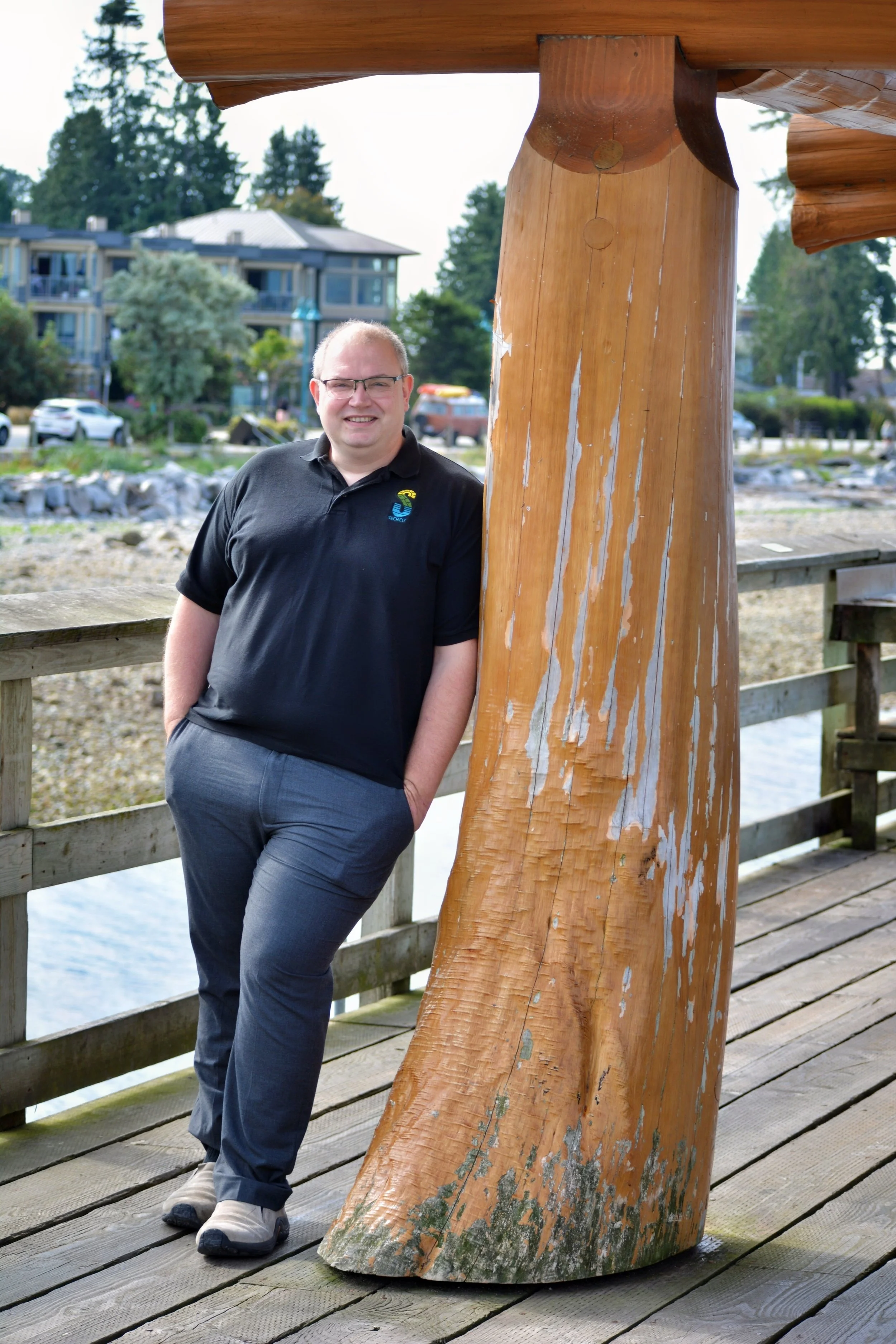
Community Safety
Everyone deserves to feel safe.
We need to work with multiple BC organizations to develop local recovery and treatment programs. When someone decides they want to get clean, there’s often a narrow window of time to get them into recovery before the moment is lost.
I know that BC Housing offered supportive housing here. I’ve been part of efforts to push for more accountability in their contracted operations and a better working relationship with the community. We’re making progress, but we need to keep going.
Our complex care housing was cancelled and our supportive housing units were ‘reprioritized’. BC Housing needs to come to the table with some resources to help us move forward on complex care in a priority way. The people who need support are already here. If we can get them into supervised living situations, with programming, and opportunities to get better and give back to our community, we’re going to be much better for it than just sending them elsewhere.
When the Federal government announced intentions to introduce bail reform, I personally conducted a community survey over 56 days that solicited 90 responses outlining the personal impact of chronic offenders and crime in our community. This data was collated and submitted to MP Weiler to support advocacy efforts for our community and our country.
We need to be clear on what is working, learn from other communities, and be willing to adjust as we learn more. We also need to be willing to stand up and ask Provincial and Federal governments for help in ways that will make meaningful impacts on our residents.
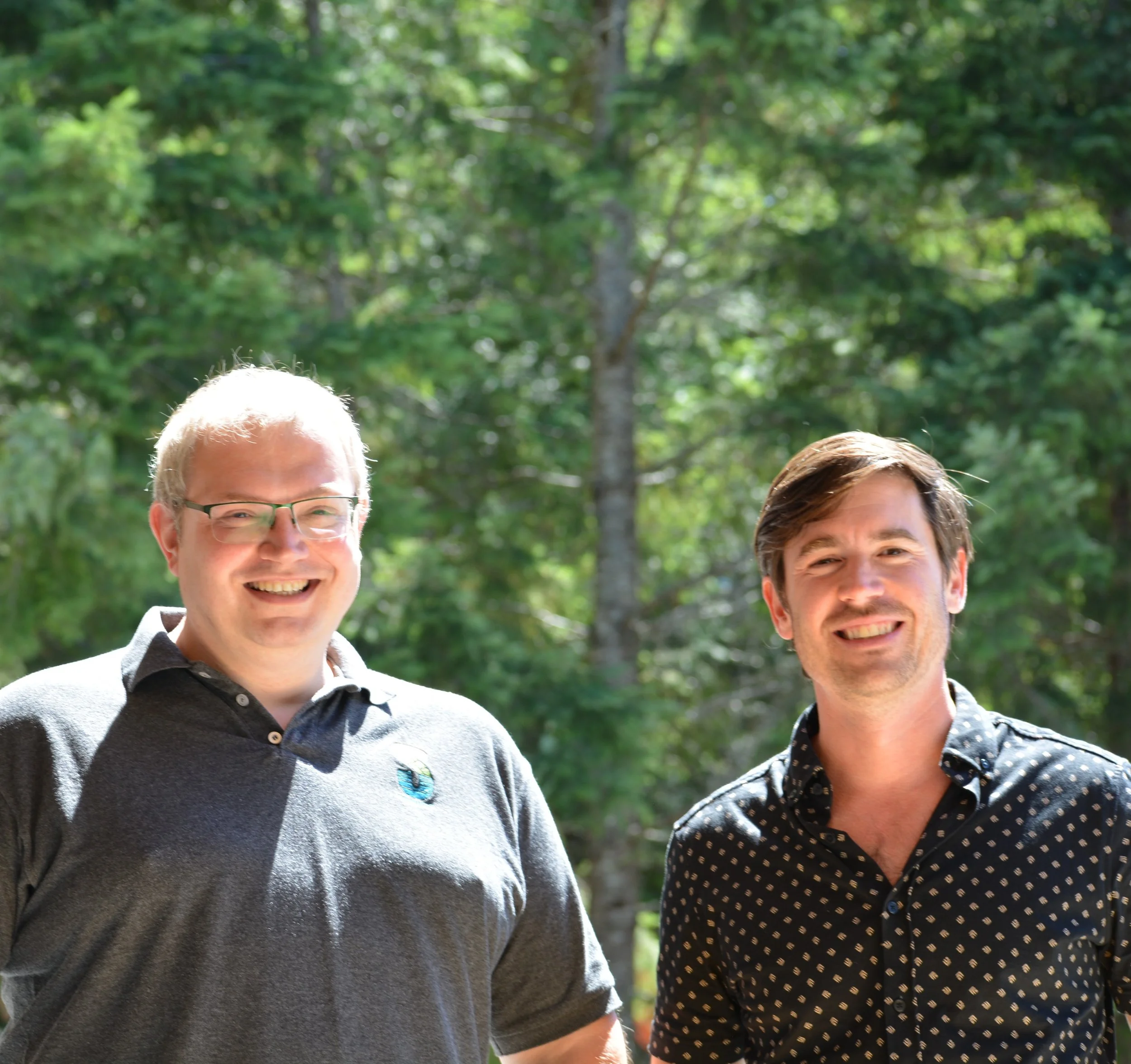
Alton with MP Patrick Weiler
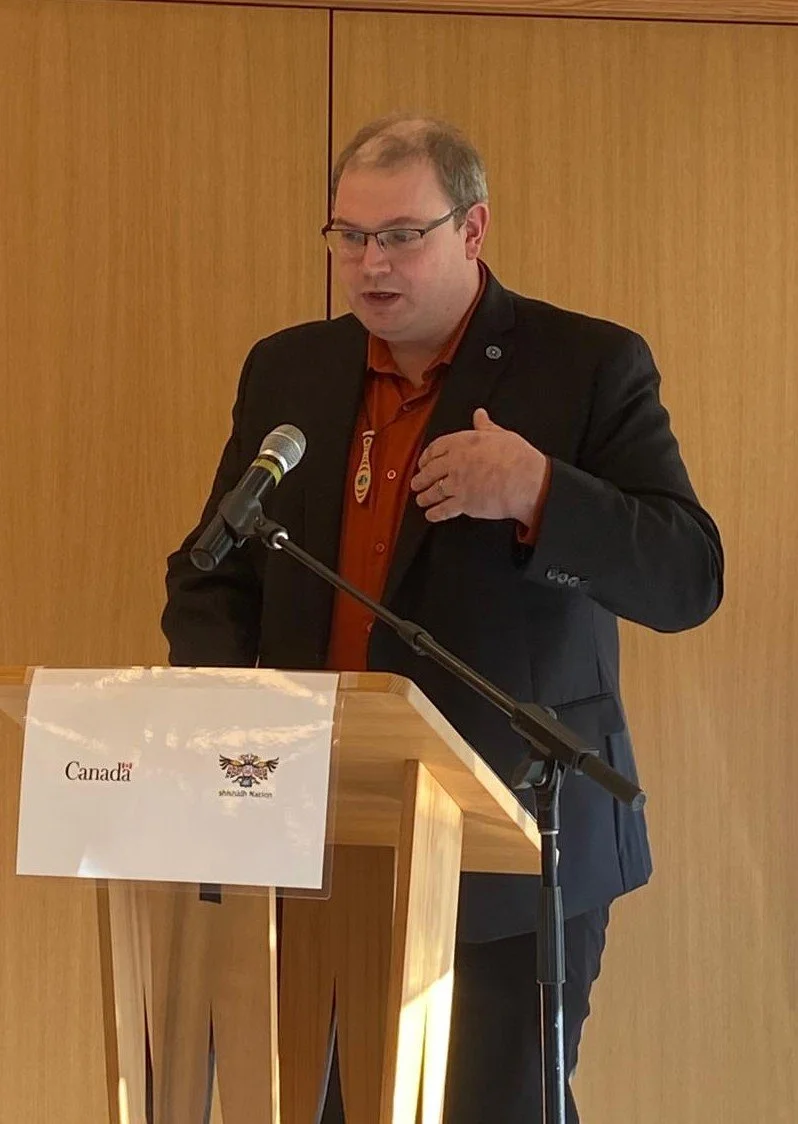

Alton speaking at an announcement with the shíshálh Nation.
Working Together
I know that the District of Sechelt can’t go it alone, no matter how strong the Mayor is or how enthusiastic a Council might be.
We all live here. We shop in your stores, work with you, attend your theatre performances, and are a part of the life of this community. We’ve chatted on the side of the soccer field while our kids play, or while we sort refundables in the rain for a Scouts bottle drive.
The best ideas often come out in those conversations. With our friends, our neighbours, other elected leaders, and even with people we disagree with.
The Sunshine Coast is a community of 35,000 people spread over a thin ribbon of settlement. It’s too small for fence-building and fear-mongering. We need to learn how to find common ground to build a stronger future for everyone.
I'd like to see us continue building those relationships because I think that's how we'll make the biggest difference for Sechelt.
Housing for Our Community
Housing is one of the biggest challenges facing Sechelt today.
We've had opportunities to work with BC Housing and the Sunshine Coast Affordable Housing Society on projects that combine workforce housing with much-needed daycare spaces. I've also been part of conversations with elected members of the shíshálh Nation about other housing opportunities, including tiny homes, family housing, and recovery housing, so that community members have the support they need at every stage of life.
Over the past year, I brought forward a motion asking the federal government to meet with us to explore redeveloping the downtown Sechelt post office site. The vision is for a new, modern post office on the main floor, with seniors' or workforce housing above; a practical way to make better use of an important and already serviced downtown property.
I've also heard consistently that improving customer service in our development process is important. When Sechelt is in a position to provide builders and developers with clear expectations and reliable timelines, they can provide greater certainty to their clients, their employees, and the community. That can help keep costs down and make sure projects get underway sooner.
We need to keep advancing these ideas while continuing to explore new partnerships and innovative housing solutions that will help Sechelt be an affordable, welcoming place to live.
Building for the Future
Water security, infrastructure renewal, and environmental stewardship are essential to Sechelt's future.
The Sechelt Sewage Facilities Commission has resumed meeting as a partnership between the District of Sechelt and the shíshálh Nation. Beyond setting rates and managing wastewater systems, it's creating opportunities to plan for the future together. Facilities like the Water Resource Centre in downtown Sechelt and the Port Stalashen Treatment Plant in ts'ukw'um/Wilson Creek are industry leaders. The question is: how do we make the most of them and continue building a stronger community?
While the SCRD delivers our drinking water, that doesn't mean we shouldn’t look for ways to use it better. With the Church Road Wellfield now online and Langdale Wellfield under construction soon, we have an opportunity to think beyond short-term supply. Reclaimed water and well water could help irrigate sports fields, support agriculture, improve boulevards, and demonstrate that sustainability can be both practical and affordable.
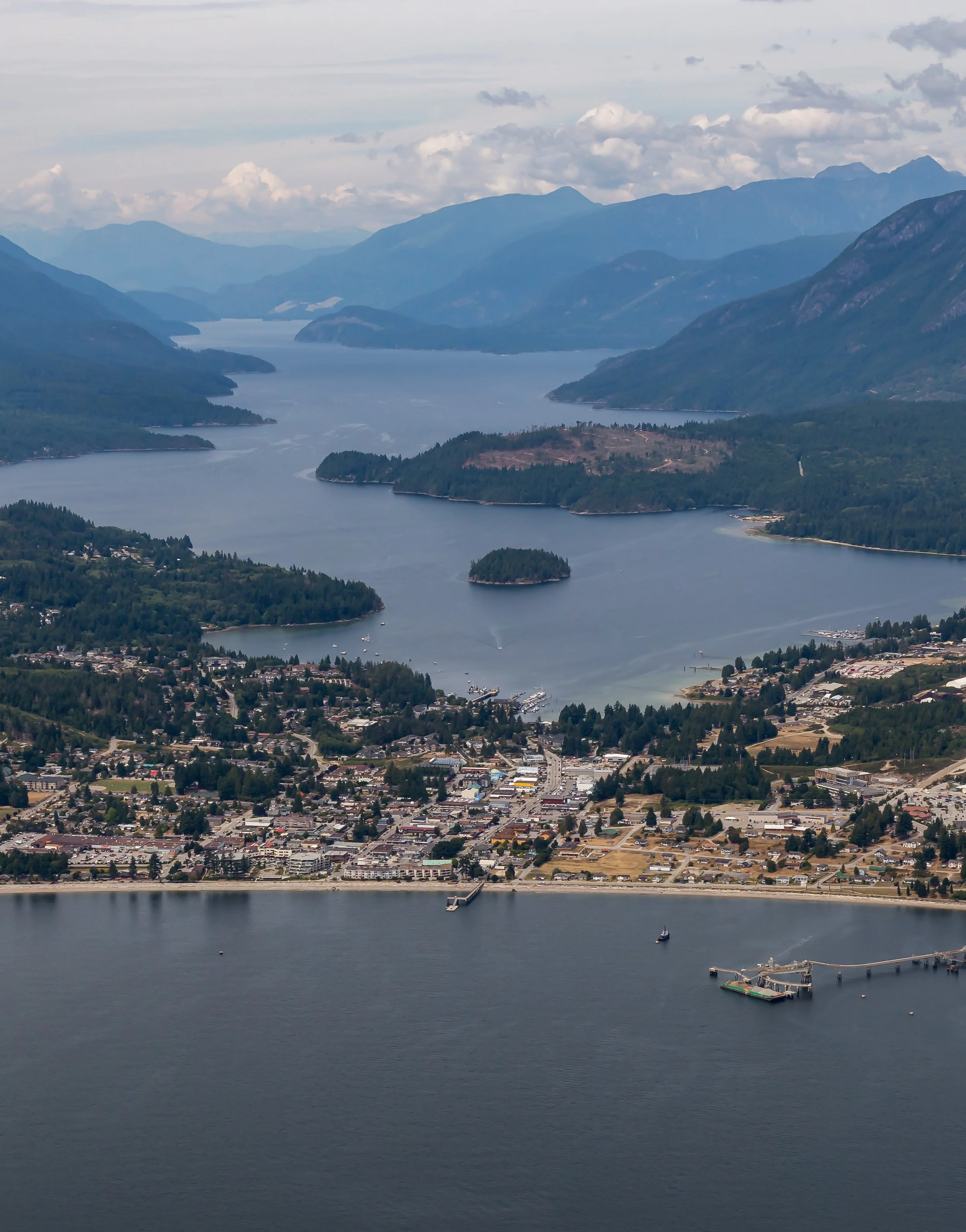
I grew up exploring Sechelt's forests and the beaches of Selma Park and Porpoise Bay. We have a responsibility to ensure future generations can do the same. Derelict vessels continue to threaten our marine environment, while responsibility is passed between governments and private owners. One promising solution is a Sechelt Inlet Harbour Authority, similar to Gibsons'. Working with the shíshálh Nation and senior governments, we can restore our marine ecosystems and make the inlet something we're proud of, not a resting place for abandoned boats.
None of this happens alone. It requires leadership that brings people together, builds relationships, and works across governments.
We need a Mayor who can pick up the phone, call another elected official or chief, find common ground, and secure the partnerships and support Sechelt deserves.
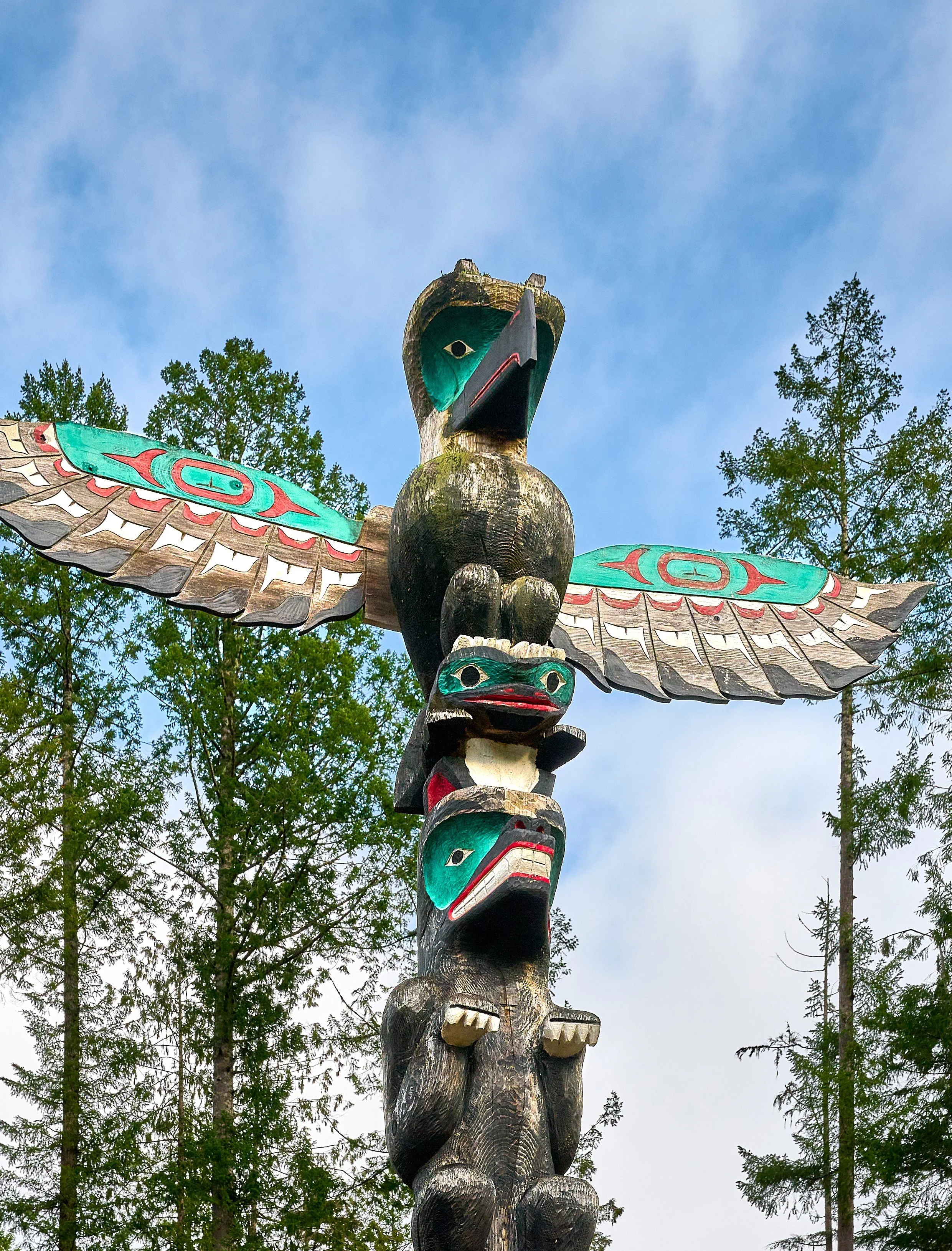
shíshálh Nation totem pole at the Egmont Heritage Centre.